Investigating the Impact of Growth-Related Milestones on Child-Focused Physical Therapy Strategies
Wiki Article
Developmental benchmarks are important markers that demonstrate how children develop and learn motor skills over time. These stages include turning, upright posture, early mobility, standing, and independent gait, as well as balance, motor coordination, and muscular strength development. Child-focused physical therapy relies strongly on understanding these milestones because they help therapists determine whether a child’s motor development is advancing as anticipated. When a child demonstrates delays or variations in reaching benchmarks, it may signal the necessity for timely intervention. By carefully tracking motor development, therapists can support functional movement, alignment, and overall motor function in children.
Each young individual develops at an individual rate, but growth-related benchmarks offer a structured framework for evaluation. Pediatric physical therapists use formal evaluations and clinical tools to compare a patient’s motor patterns to typical growth ranges. Gross movement abilities, fine movement control, muscular function, and joint support are all evaluated during this process. Understanding how these factors connect to specific milestones allows therapists to design treatment plans that align with the patient’s current functional level while promoting continued development. This systematic approach helps ensure that therapy objectives are realistic, trackable, and relevant for the child’s age and motor needs.
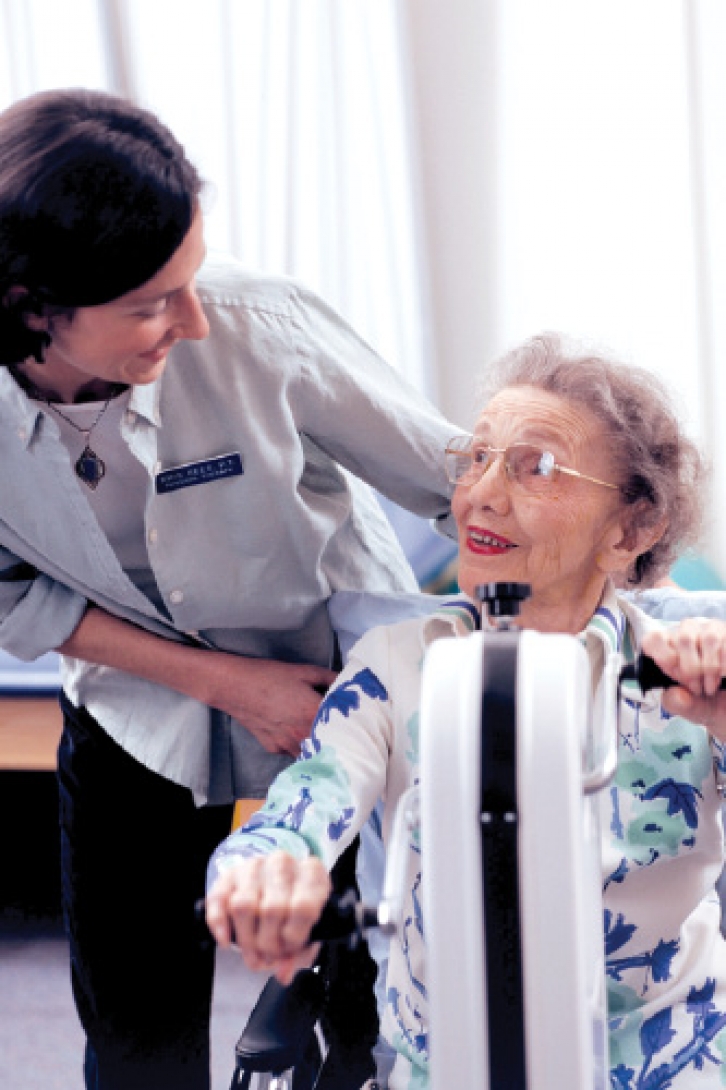
Growth-related stages also influence the selection of treatment methods used in child-focused physical therapy. For young children and early learners, therapy often focuses on activity-based exercises that support typical motion and sensory integration. As children mature further, interventions may transition toward strength training, postural tasks, gait training, and functional movement this improvement. Therapists modify their approaches to enhance nervous system development while maintaining safety and engagement. Matching therapy methods with developmental stages helps children develop core abilities that enable everyday activities, school participation, and social engagement.
Caregiver participation is another critical factor shaped by developmental milestones. Pediatric physical therapy often includes caregiver education to reinforce therapy objectives outside of therapy environments. Understanding a child’s developmental level allows therapists to teach families suitable at-home activities and mobility techniques. These tasks are designed to fit naturally into daily schedules, such as recreational activities or daily living skills. Ongoing support at home helps strengthen movement development, enhance results, and encourage sustained physical development.
In summary, growth-related benchmarks serve a key function in shaping child-focused physical therapy practices. They guide evaluation, intervention design, goal setting, and family education. By using milestones as a reference, therapists can detect concerns promptly and deliver focused therapy that promote optimal physical growth. This approach not only addresses physical challenges but also helpful site helps children build confidence, functional independence, and the abilities required to engage successfully in daily activities.