Encouraging Aging Adults to Adopt Exercise Through Comprehensive Workout Protocols
Wiki Article
Keeping energetic is essential for adults of all ages, but it turns especially vital as persons mature. For seniors, consistent physical activity assists in sustaining autonomy, improves movement, and boosts quality of life. Comprehensive exercise guidelines provide seniors with structured methods to physical health that include coordination, mobility, strength, and resilience. By adhering to carefully planned exercise routines, seniors can elevate their daily function while minimizing the likelihood of injuries, long-term illnesses, and mental health challenges.
Exercise for older adults is not limited to strenuous training sessions or intense fitness sessions. It concentrates instead on safe, steady, and ongoing movement that fits personal capacities. Activities such as leisure walking, stretching, chair yoga, and bodyweight exercises aid in maintaining range of motion and muscle tone. Heart-strengthening activities like water fitness or indoor biking improve circulation, which are important for sustaining physical endurance and stamina. These physical practices also support mental function, as research have demonstrated that consistent activity can boost recall, mood, and focus.
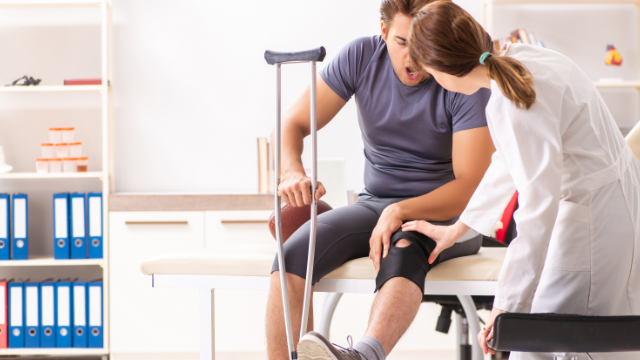
Thorough exercise guidelines highlight a integrated approach to fitness, integrating muscular, mental, and interpersonal factors of lifestyle. Seniors are encouraged browse around this web-site to begin slowly and advance at a steady rate, maintaining security while avoiding strain. Including warm-up and cool-down routines minimizes muscle soreness, while proper fluid intake and meal balance enhance physical activity. Additionally, social exercise settings—such as senior workout groups or organized group walks—create opportunities for companionship, encouragement, and mental connection, which are just as vital to total wellness.
Expert assistance serves a key part in helping aging individuals design personalized training schedules. Consulting healthcare providers, mobility experts, or qualified instructors ensures that plans are tailored to specific health conditions, physical capabilities, and goals. These professionals can design safe workout protocols that consider elements such as arthritis, skeletal weakness, or cardiovascular limitations. Through regular evaluation and adjustment, fitness routines stay beneficial and enjoyable, encouraging long-term engagement and progress.
Overall, motivating older adults to participate in fitness through structured training recommendations fosters a mindset of cross-training during recovery active aging. When older adults are provided with information, inspiration, and guidance, they gain trust in their mobility and enjoy greater freedom. Regular exercise improves not only muscle capacity but also mental clarity and psychological balance. By promoting accessible, expert-led fitness programs, societies can help that all participants has the means to live a healthy, engaged, and rewarding journey.